


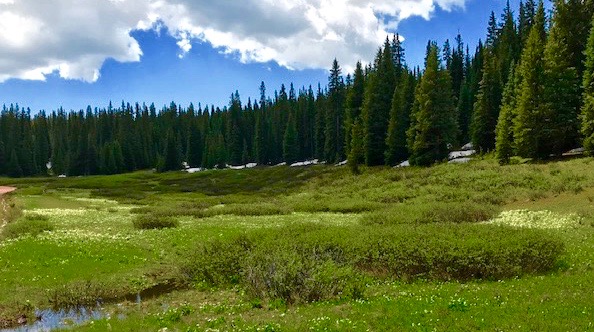
I went to the pass earlier this week, to two spots where I normally find Prince porcini, the best-of-the-best mushrooms. It’s been warm, but late snows from last month still cover some of the fields, and the ‘shrooms are nowhere to be found. But oh my goodness, the early wildflowers are spectacular.
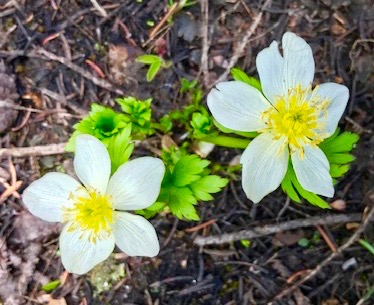
Snow drifts at 11,000 feet and above are slowly melting, and yellow and white windflowers—a form of anemone—blanket the slushy areas. The flowers scatter through shady bogs on the forested mountainside, as if someone dropped loose pearls on the forest floor. The clusters of blooms are as thick as thieves in wetlands that will dwindle to thin trickles in a few weeks.
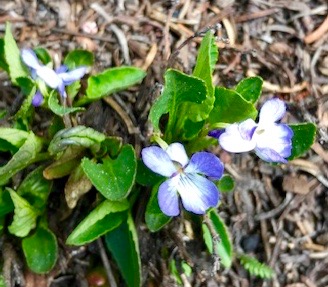
Wild violets, a favorite of mine, are starting to bloom. Within ten days their scent will add a topnote to the fresh smell of pine and spruce, and they’ll ldance on the forest floor like tiny butterflies for several weeks.
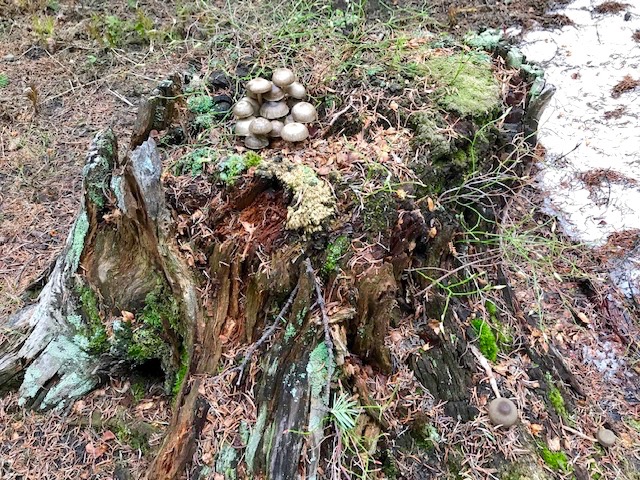
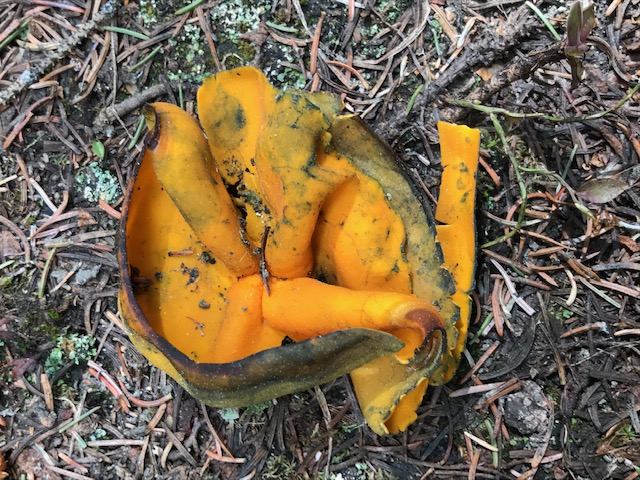
Although I didn’t find edible fungi, a cluster of what is known, in local parlance, as “cr*ppy brown mushrooms” festooned this tree stump. And a weid little fungus that reminds me of a curly sweet-potato chip added color to the forest floor.
Next week I’m returning to the lower fields again, to forage for morels and porcini, shrimp and oyster mushrooms. But I can tell from the way the mountainside looks that we’re going to have a banner year of mushrooming, and I’m hearing tales of 70-pound morel harvests to our southeast.

"I wanted to travel the Rockies and Alaska in the characters' footsteps, and I loved their humor in the face of life-and-death challenges. I'll watch for another book in this interesting and unusual series; highly recommended."
- L. Bennett
Read More...
Read More...

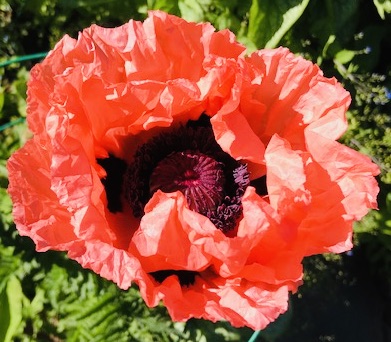
Birth of a Poppy
I’ve had my eye on this young lady for a couple of weeks. She’s been hanging out by the steps…
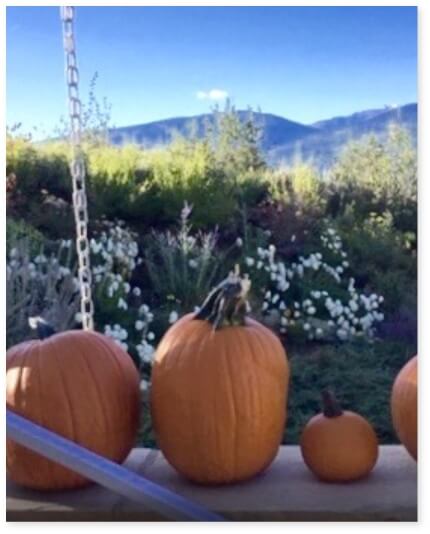
Slip, Slidin’ into Autumn
Our lows are in the forties now—great sleeping weather!—and the first yellow lines lace the leaves like veins in a…
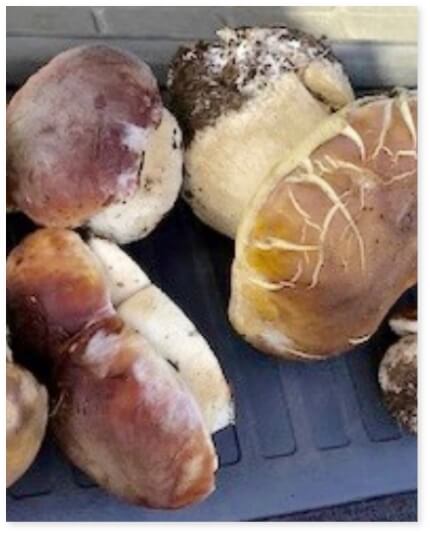
The Last of the Great Porcinis
In a few months I’ll be cross-country skiing while humming Christmas carols—a sobering thought. So like everyone else in my…